

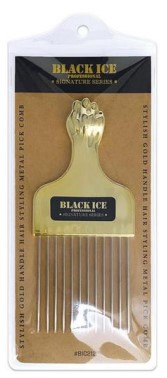
The Ultimate Guide to the Metal Pick Comb: Achieve Maximum Volume and Perfect Styling
If you have ever struggled to achieve gravity-defying volume, flawless curl definition, or effortlessly detangled textured hair, you are likely missing one critical tool in your grooming arsenal: a premium metal pick comb. Unlike standard plastic combs that bend, snap, and create friction-induced frizz, a high-quality metal hair pick slides through thick, coily, and curly locks with unparalleled precision.
In this comprehensive guide, we will explore the science behind the metal pick comb, compare it to alternative materials, and provide a step-by-step masterclass on how to use it safely to elevate your hair game. Whether you are rocking an iconic afro, styling a modern pompadour, or maintaining a majestic beard, here is everything you need to know.
1. What is a Metal Pick Comb?
A metal pick comb is a specialized grooming tool featuring long, thin, rigid teeth (or tines) typically made from stainless steel, aluminum, or brass, attached to a durable handle. Originating thousands of years ago in various African cultures as both utilitarian grooming instruments and cultural status symbols, the modern pick comb gained global prominence during the Civil Rights and “Black is Beautiful” movements of the 1960s and 70s.
Today, the metal hair pick is celebrated worldwide by barbers, stylists, and individuals with textured hair. Its primary function is to lift the hair from the roots, creating instant volume, shape, and fullness without disrupting the natural curl pattern or causing excessive breakage. Unlike flat combs, the long, widely-spaced tines of a metal pick comb bypass the mid-shafts of the hair to focus styling power precisely where it is needed: at the base.
According to historical hair care archives curated by NaturallyCurly, the evolution of the hair pick demonstrates how structural design directly impacts hair health. Metal remains the gold standard for dense, high-porosity, and coarse hair types due to its strength and low-friction glide.
2. Key Benefits of Using a Metal Pick Comb
Choosing a metal pick over other materials offers structural and physical advantages that directly translate to healthier hair and easier styling. Here is why styling experts recommend investing in a metallic design:
Unmatched Durability and Strength
Thick, coily, and high-density hair puts immense physical stress on styling tools. Plastic picks frequently snap or warp when navigating dense curls. A stainless steel or aluminum metal pick comb is virtually indestructible. It will not bend under pressure, ensuring that you can lift and style the densest 4C hair textures with ease and confidence.
Zero Static and Reduced Frizz
Plastic materials are notorious for generating static electricity when rubbed against hair fibers. This static charge disrupts the cuticle layer, resulting in unruly frizz and flyaways. Metals are natural conductors of electricity, meaning they dissipate static charges rather than building them up. By using a metal pick, you keep your cuticles smooth and your curls beautifully defined.
Gentle Scalp Stimulation
High-quality metal picks feature rounded, polished tips. When used correctly, these smooth tips gently massage the scalp, promoting local blood circulation. According to scalp health experts at Healthline Beauty & Skin Care, improved microcirculation delivers essential nutrients to hair follicles, fostering a healthier environment for natural hair growth.
Effortless Glide and Precision Styling
The ultra-smooth surface of polished metal has a significantly lower coefficient of friction than plastic or unfinished wood. This allows the tines to glide effortlessly between dense curl clusters, preventing snagging and minimizing painful hair pulling.
3. Metal vs. Plastic vs. Wooden Picks: A Comparative Analysis
To help you understand why the metal pick comb reigns supreme, let us compare the three most common materials used for hair picks today:
| Feature | Metal Pick Comb | Plastic Pick | Wooden Pick |
|---|---|---|---|
| Durability | Extremely High (Lifetime use) | Low (Prone to snapping) | Moderate (Can crack over time) |
| Static Generation | None (Conductive) | High (Creates frizz) | Low |
| Hygiene & Cleaning | Easy to sanitize and wash | Easy, but porous over time | Harder (Water can warp wood) |
| Tine Thickness | Ultra-thin & strong | Thick & bulky | Thick & blunt |
While a wooden pick is excellent for absorbing natural hair oils, its thicker tines struggle to penetrate ultra-dense hair without causing friction. Plastic picks are inexpensive but represent a temporary, ecologically unsustainable solution that degrades hair quality through static charge and micro-tears caused by molding seams.
4. Ideal Hair Types and Styles
The versatility of a metal pick comb stretches far beyond a single demographic. It is a vital tool for various hair textures and styling preferences:
- Coily and Kinky Hair (Type 4A, 4B, 4C): Essential for picking out afros, puff styles, and defining the shape of dense, tightly coiled crowns.
- Curly and Wavy Hair (Type 3A, 3B, 3C): Perfect for lifting curls at the roots to eliminate the dreaded “flat-top” look while preserving defined ringlets at the ends.
- Barber & Grooming Cuts: Used by barbers to create uniform shape and clean lines on fades, pompadours, and textured quiffs.
- Beard Enthusiasts: Excellent for thick, coarse facial hair. A quick pass with a metal pick detangles and fluffs the beard, making it appear fuller and more symmetrical.
If you are looking for alternatives or additional styling tools to complement your routine, consider reading our comprehensive guide on how to detangle curly hair safely, which outlines the proper sequence of combing, picking, and conditioning.
5. How to Use a Metal Pick Comb Correctly: A Step-by-Step Guide
Using a metal hair pick incorrectly can lead to mechanical breakage, split ends, or scalp irritation. To get the best results while safeguarding your hair health, follow this professional step-by-step methodology:
Step 1: Never Pick Dry, Brittle Hair
Dry hair lacks elasticity and is highly susceptible to snapping. Always ensure your hair is slightly damp or thoroughly moisturized before styling. Apply a high-quality leave-in conditioner, hair oil, or curl cream to provide slip.
Step 2: Pre-Detangle Your Ends
A metal pick is designed for lifting and shaping, not for heavy detangling of knotted ends. Use a wide-tooth comb or your fingers to gently detangle your hair starting from the tips and working your way up to the roots.
Step 3: Insert at the Base
Gently insert the tines of the metal pick comb at the root of your hair, close to the scalp. Keep the tines parallel to your scalp to avoid scratching or causing discomfort.
Step 4: Lift Outward, Don’t Pull Through
This is the most critical step: do not pull the pick all the way through to the ends of your hair. Instead, lift the pick outward by about 1 to 3 inches. This lifts the roots to create dramatic volume while leaving your defined curl pattern intact at the ends.
Step 5: Shake and Shape
Once you have picked out the roots across your entire head, gently shake your curls or pat them into your desired silhouette. Use your hands to make final adjustments for a perfectly symmetrical shape.
6. Maintenance, Cleaning, and Rust Prevention
Your grooming tools are an investment in your personal hygiene. Properly caring for your metal pick comb ensures it remains safe for your scalp and lasts for generations.
Because metal picks frequently come into contact with hair oils, leave-in conditioners, and water, they are susceptible to buildup. Follow this simple weekly cleaning protocol:
- Wash: Fill a basin with warm water and add a few drops of clarifying shampoo or mild dish soap. Use an old toothbrush to scrub away product residue from the tines and handle.
- Sanitize: Wipe down the metal tines with rubbing alcohol to kill bacteria and prevent scalp infections.
- Dry Immediately: Although high-grade stainless steel resists rust, you should never leave your metal pick soaking in water or air-drying in a damp bathroom. Dry it thoroughly with a clean towel immediately after washing.
- Oil: Periodically rub a drop of natural oil (such as jojoba or argan oil) over the metal surfaces to maintain a flawless, low-friction glide.
7. How to Choose the Perfect Metal Pick Comb
When shopping for a metal hair pick, keep the following structural features in mind to ensure you select the best model for your needs:
- Tine Length: Long tines (3 inches or longer) are ideal for thick, dense, high-volume afros. Shorter tines are more suited for shorter hair crops, fades, or compact beards.
- Handle Comfort: Look for ergonomic handles. Some picks feature classic fist-shaped handles (the “Black Power” fist), while others feature rubberized, wooden, or contoured grips that prevent slipping during styling sessions.
- Tine Tips: Ensure the tips of the tines are perfectly rounded and polished. Sharp, unfinished metal tips can scratch your scalp, leading to irritation, scabbing, or follicular damage.
For those who travel frequently, a compact metal pocket pick with a protective case is an excellent addition to your travel kit, ensuring your style remains pristine wherever you go.
8. Frequently Asked Questions (FAQs)
Can a metal pick comb damage my hair?
No, not if used correctly. Metal picks are incredibly smooth and create less friction than plastic. Damage only occurs if you try to force a pick through tightly knotted hair, or if you use a poor-quality comb with sharp, unpolished tips. Always moisturize your hair before picking.
Is a metal pick better than a plastic pick?
Yes. Metal is far more durable, does not generate static electricity (which causes frizz), and features thinner tines that penetrate dense hair textures much more easily without pulling or breaking the hair shaft.
Can I use a metal pick on straight hair?
While primarily designed for curly, coily, and thick hair types, individuals with straight hair can use a metal pick to lift roots or backcomb hair when styling vintage updos, pompadours, or adding volume to fine hair textures.
How often should I pick my hair?
For optimal hair health, limit the use of a pick to your washing and styling days, or when refreshing your style in the morning. Over-picking or picking dry hair multiple times a day can lead to mechanical stress and minor breakage.
