

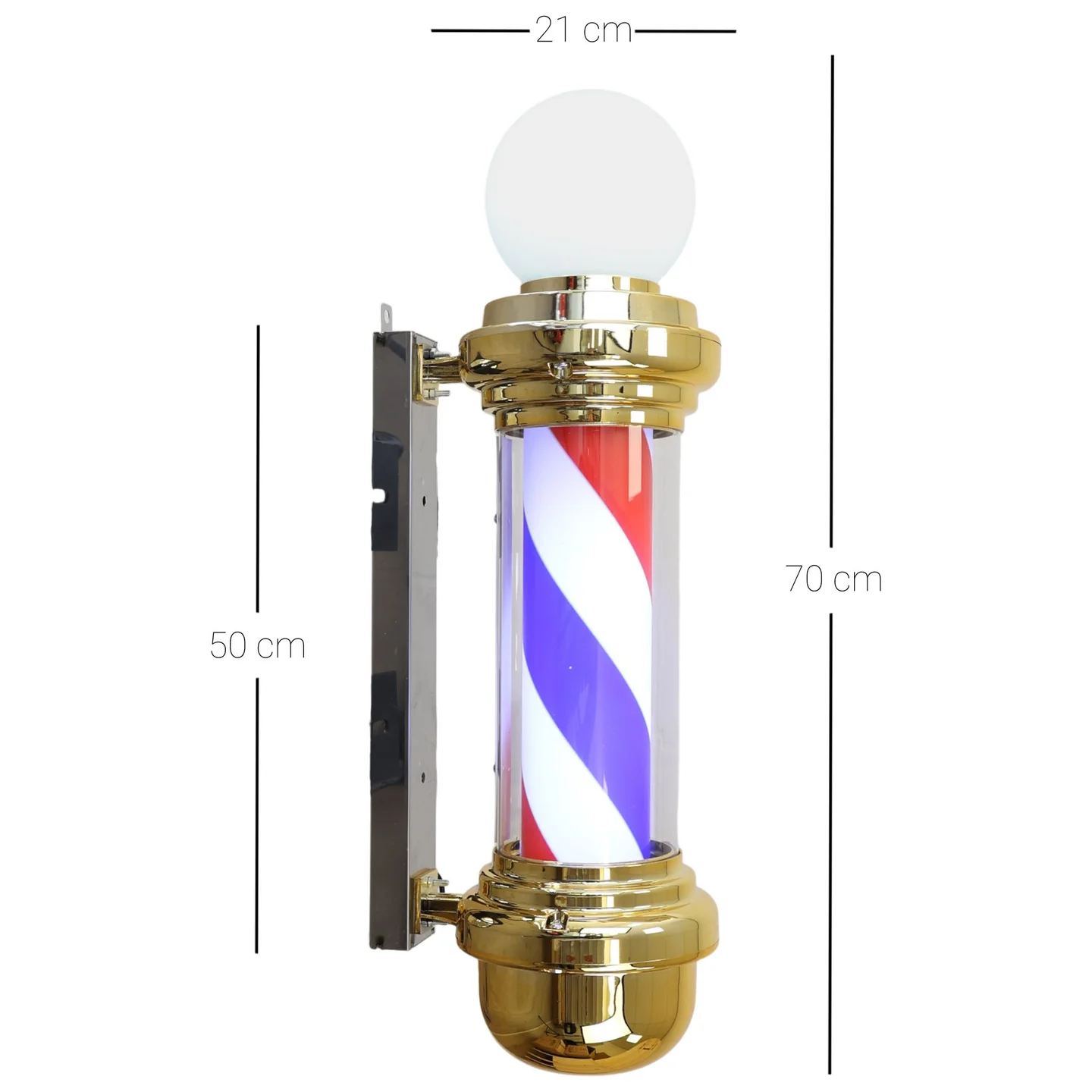
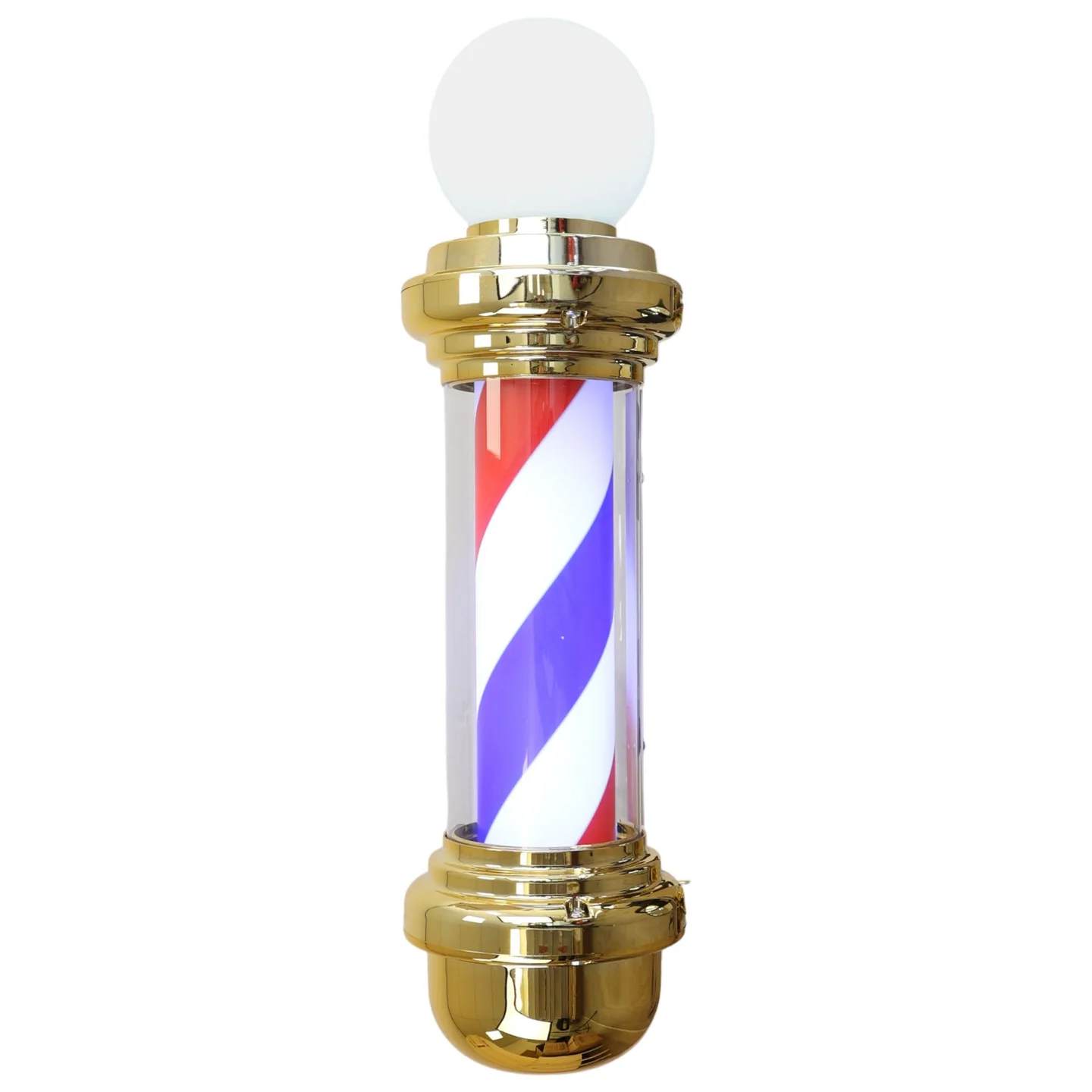
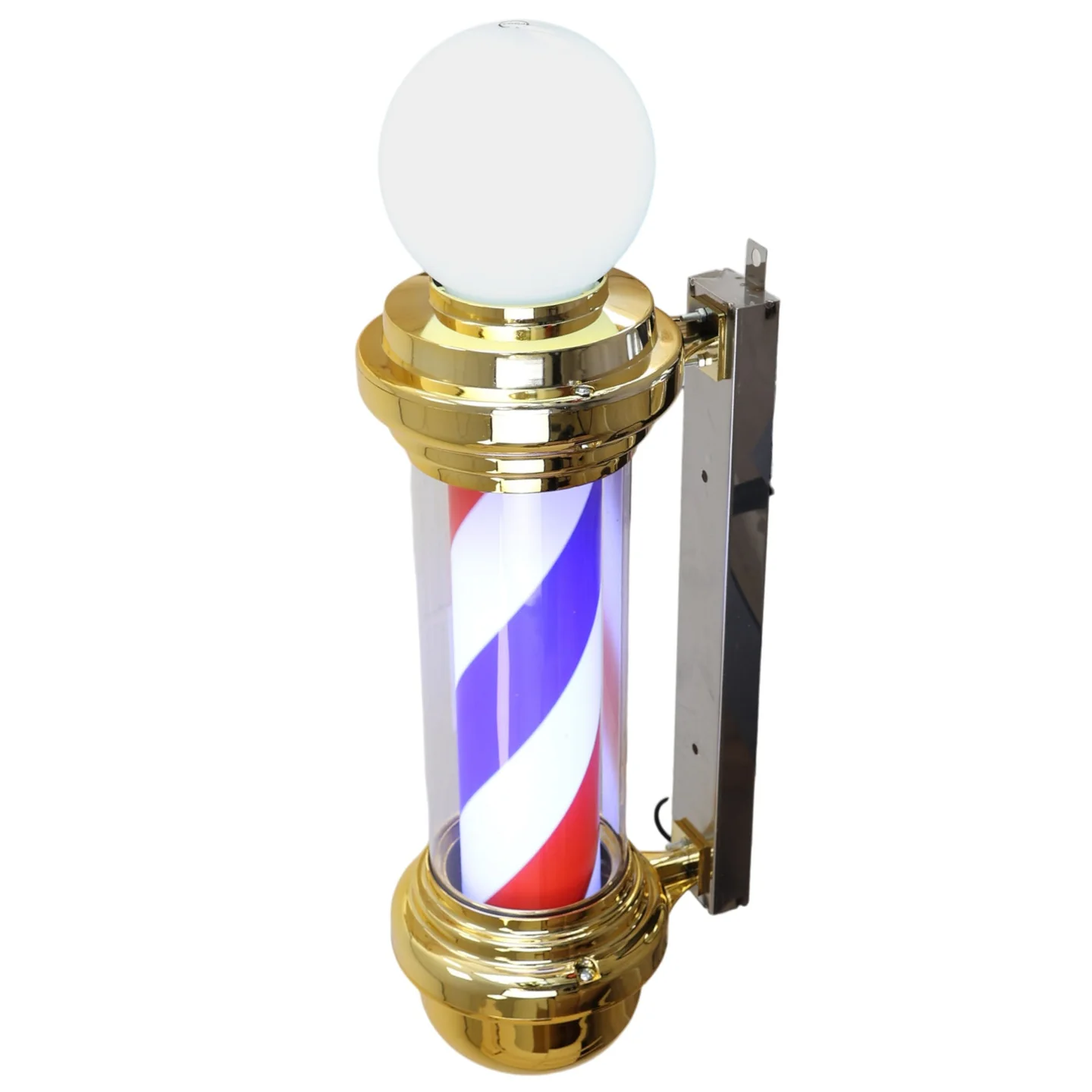
Gabri Classic Barber Pole Light 70cm – Rotating LED Sign
£125.99 inc. VAT (£104.99 ex. VAT)
The Ultimate Guide to the Classic Barber Pole Light: History, Selection, and Installation
In the world of grooming and cosmetology, few symbols carry the immediate recognition and nostalgic gravity of the classic barber pole light. Originating centuries ago as a marker of medical and grooming services, this iconic swirling beacon remains the definitive signature of a professional establishment. Whether you are launching a modern retro-inspired parlor or seeking to preserve the traditional essence of a neighborhood shop, integrating a premium classic barber pole light is an investment in both marketing visibility and heritage styling. This comprehensive guide explores everything from the historical roots of the revolving stripe to the advanced engineering behind modern, energy-efficient models.
Table of Contents
- 1. The Storied History of the Barber Pole
- 2. Anatomy of a Modern Classic Barber Pole Light
- 3. Technical Breakdown: LED Efficiency vs. Traditional Incandescent
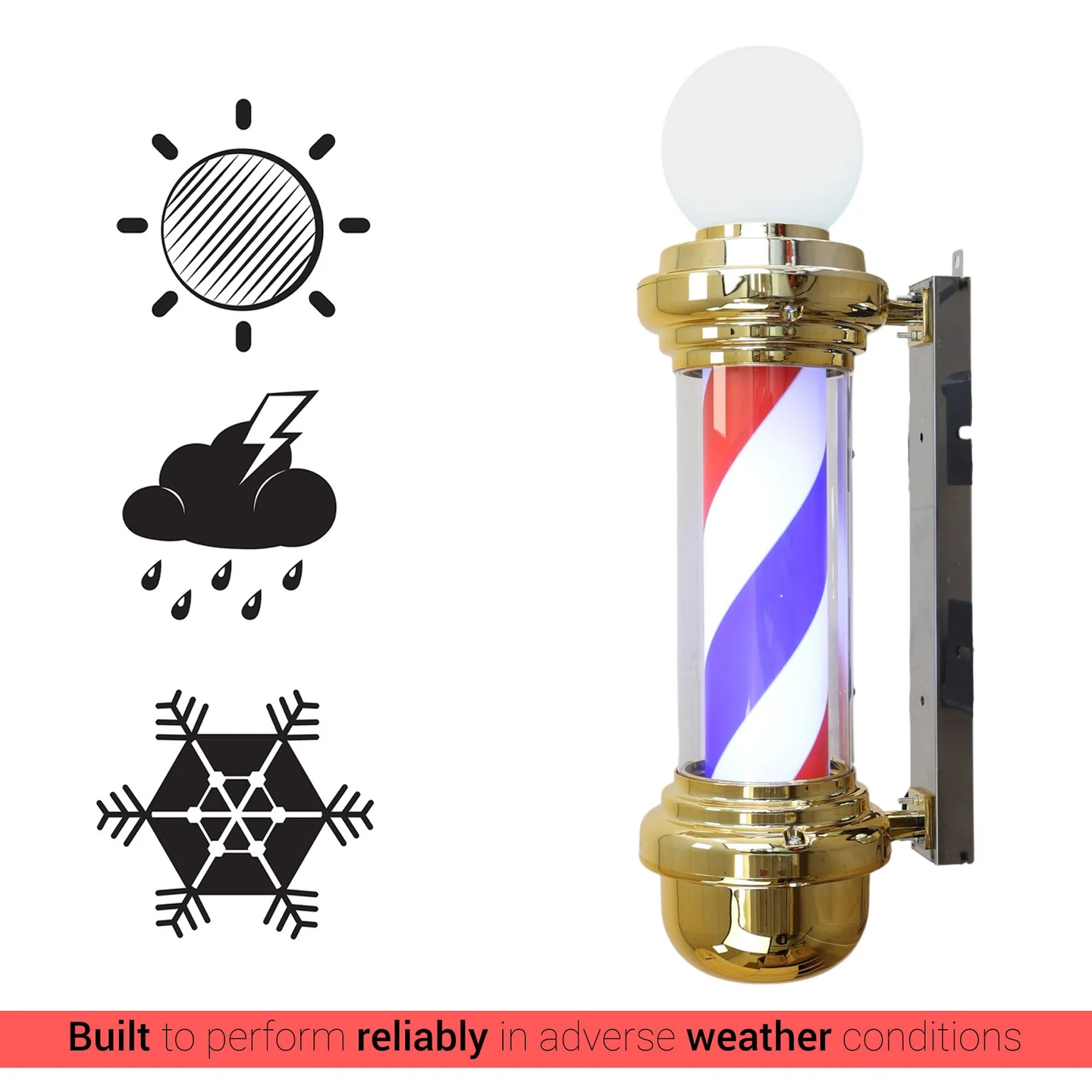
- 4. Weatherproofing and Materials: Built for the Outdoors
- 5. Comprehensive Installation and Mounting Guide
- 6. How to Choose the Perfect Size and Style for Your Shop
- 7. Maintenance and Motor Longevity Tips
- 8. Frequently Asked Questions (FAQ)
1. The Storied History of the Barber Pole
To truly appreciate the value of a classic barber pole light, one must look back into the history of the barber-surgeon trade. During the Middle Ages, barbers did not merely trim hair and shave beards; they performed crucial surgical procedures, bloodletting, and tooth extractions. The iconic red and white stripes of the traditional pole represented the bandages used during these procedures—red for arterial blood, white for clean bandages, and the pole itself representing the staff patients gripped to make their veins stand out.
In the United States, blue stripes were frequently added to the color scheme, echoing the national flag’s colors, while in other regions, the pure red-and-white motif remains dominant. For a deeper breakdown of how this unique emblem evolved from medieval surgery to a global icon of style, you can explore the highly detailed history of the barber pole on Wikipedia, which traces its development through the Guild of Barber-Surgeons.
When electric light bulbs and rotating inner cylinders were introduced in the early 20th century, the humble wooden pole transformed into a dynamic, glowing landmark. Today, incorporating a premium classic barber pole light pays direct homage to this centuries-old tradition while serving as a powerful visual signal that your shop provides authentic, skilled grooming.
2. Anatomy of a Modern Classic Barber Pole Light
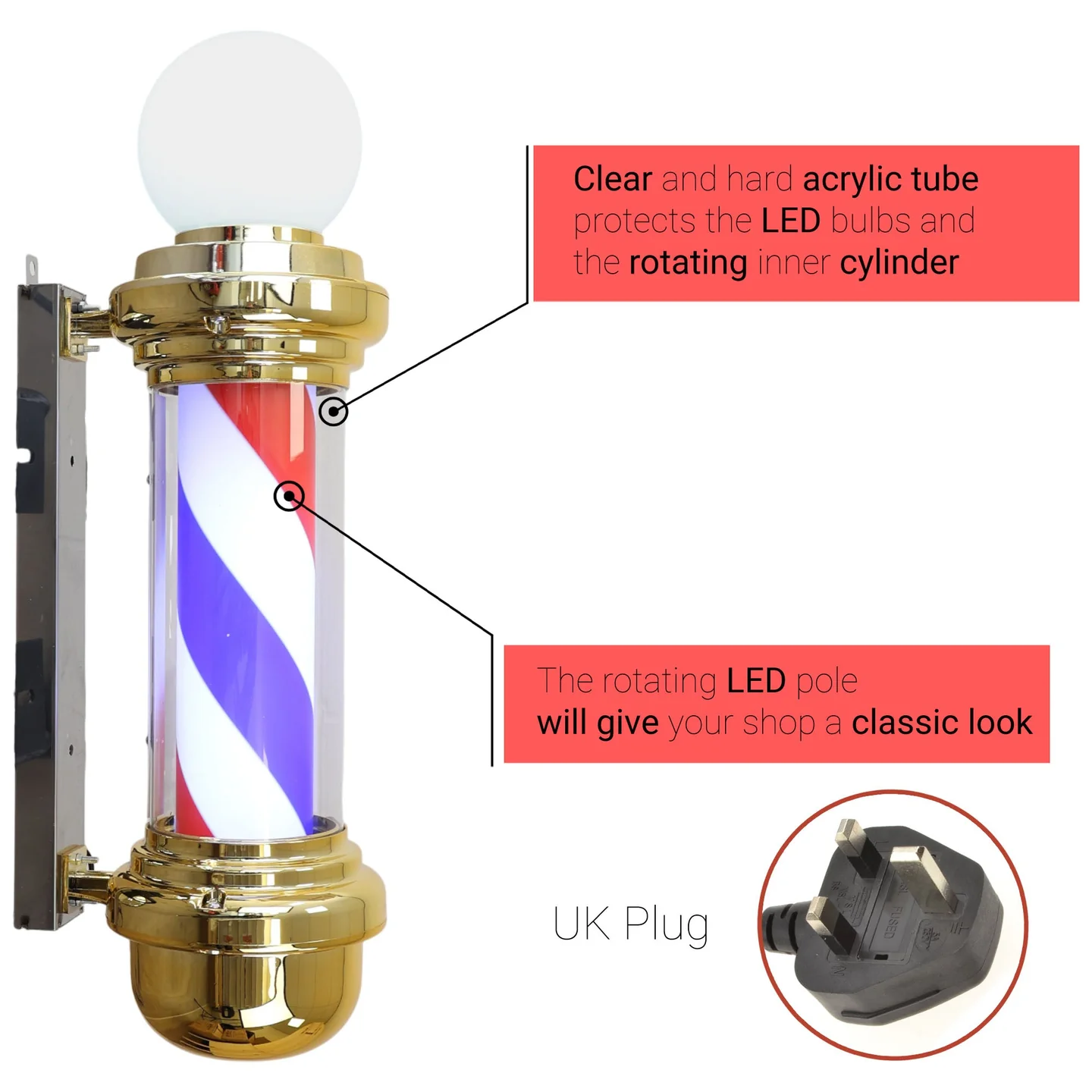
While the visual design of these lights remains deeply traditional, the internal engineering has undergone major advancements. Modern versions are built to run 24/7 without overheating or burning out prematurely. Understanding the components of a high-end sign helps you make an informed purchase that will last for years.
- The Outer Cylinder: Standard models use low-grade plastics that yellow and crack under UV exposure. Professional-grade options feature heavy-duty, UV-resistant acrylic or thick tempered glass cylinders that remain crystal clear under direct sunlight.
- The Inner Rotating Cylinder: This inner core is detailed with high-contrast, fade-resistant red, white, and blue stripes. It is driven by a synchronous motor engineered to spin at a smooth, steady pace (typically around 50 to 60 RPM) to create the optical illusion of moving upward or downward.
- The Drive Motor: The heartbeat of any rotating light. Cheaper models use low-torque motors that produce annoying humming noises and fail within a few months. Premium units utilize silent, heavy-duty permanent magnet synchronous motors designed for continuous, low-friction operation.
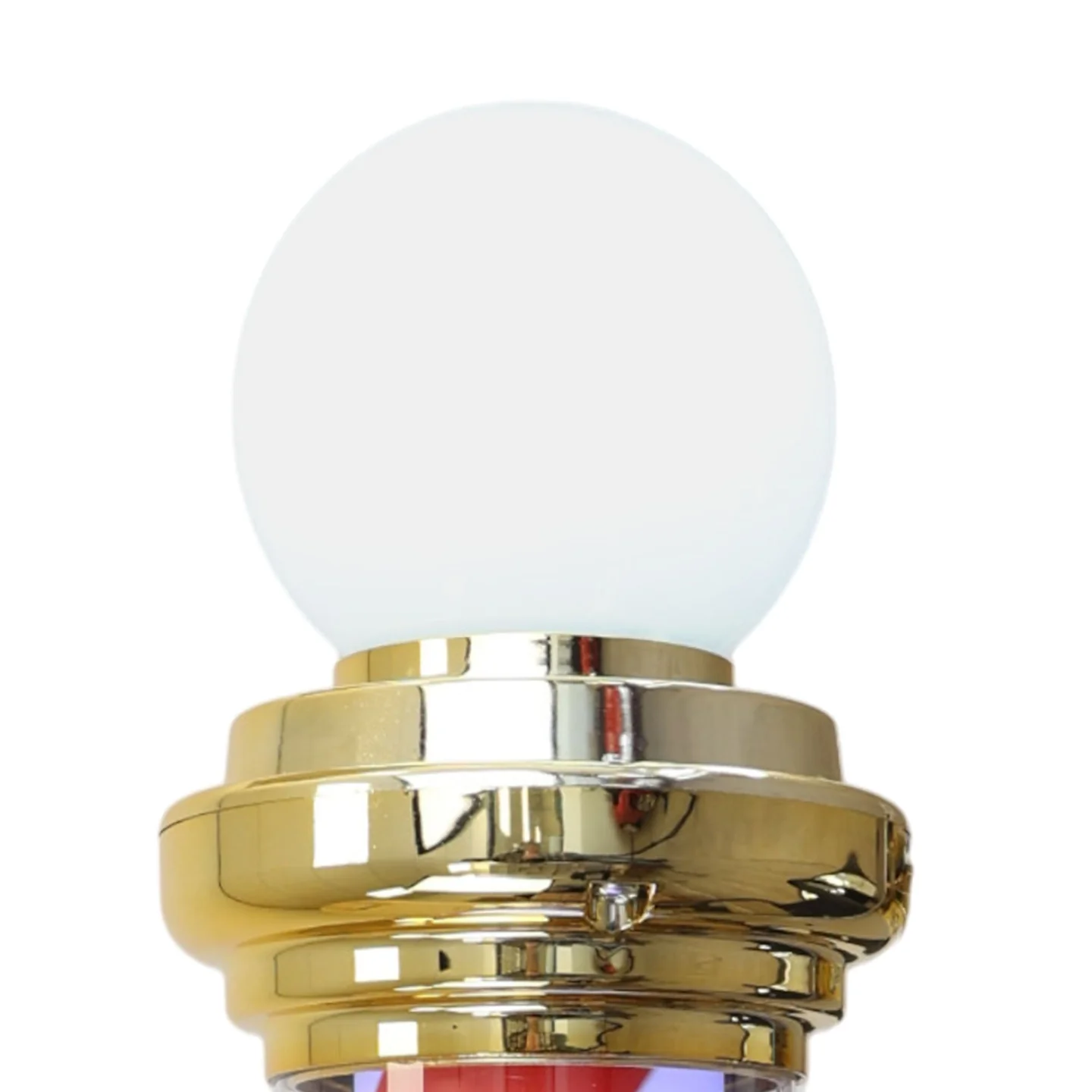
- The Cast Metal Caps and Mounting Brackets: High-end signs utilize rust-proof chrome-plated ABS, polished aluminum, or stainless steel for the top and bottom caps, as well as the mounting brackets. This ensures the sign can withstand severe wind, rain, and snow loads.
If you are building out a brand-new space, pairing your exterior lighting with other classic indicators, such as premium LED open signs, creates an inviting, highly visible storefront that attracts foot traffic day and night.
3. Technical Breakdown: LED Efficiency vs. Traditional Incandescent
For decades, rotating barber lights relied on standard incandescent bulbs. While these provided a warm glow, they suffered from significant drawbacks, including high power draw, short lifespans, and substantial heat generation inside the sealed acrylic tube.
| Feature | Traditional Incandescent Bulbs | Modern LED Light Source |
|---|---|---|
| Energy Consumption | 40W – 60W per bulb | 5W – 12W total system draw |
| Lifespan | Approx. 1,000 to 2,000 hours | Up to 50,000+ hours of continuous run |
| Heat Generation | High (can dry out lubricants over time) | Minimal (keeps internal motor cool) |
| Brightness and Color | Warm, but can fade or appear uneven | Vibrant, highly concentrated, uniform glow |
By opting for a modern, LED-powered classic barber pole light, you drastically reduce your shop’s monthly utility footprint. Additionally, because LEDs do not emit excessive heat, the grease inside the motor gears remains at an optimal viscosity, preventing premature mechanical wear and extending the life of your unit by years.
4. Weatherproofing and Materials: Built for the Outdoors
Because your light will most likely hang outside your shop’s entryway, it must be engineered to resist environmental hazards. Moisture intrusion is the number one killer of electric signs. When moisture enters the inner cylinder, it causes condensation on the stripes, fogs up the outer shell, and can easily short-circuit the electric motor or cause corrosion on the LED strips.
Look for units with an established Ingress Protection (IP) rating, preferably IP44 or higher. An IP44 rating ensures that the housing is protected against solid particles larger than 1mm and splashing water from all directions. This is achieved through precision-engineered silicone seals located at the junction where the metal caps meet the acrylic body.
Additionally, the structural brackets should feature a corrosion-resistant coating. Anodized aluminum or powder-coated iron is ideal for coastal locations where salty sea air accelerates rust. For a complete look at high-grade salon and barber setups that can withstand demanding commercial environments, browse our comprehensive catalog of durable professional barbershop furniture.
5. Comprehensive Installation and Mounting Guide
Mounting your new light fixture is a straightforward task, but it requires precision to ensure the unit is secure, level, and safely wired. Follow this step-by-step guide for a safe and robust setup:
- Choose the Right Height: Position the sign so that the bottom of the cylinder is at least 7 feet (2.1 meters) above the sidewalk. This prevents accidental contact from tall pedestrians or delivery personnel while maximizing long-distance visibility.
- Locate Structural Framing: Never mount a heavy revolving light directly into stucco, drywall, or wood siding alone. Use a stud finder to locate a solid wood stud or structural steel frame. If mounting directly onto brick, concrete, or masonry, always use high-quality masonry anchors (such as Tapcon screws or expansion shields).
- Mark and Drill: Hold the heavy-duty mounting bracket against the wall and use a bubble level to ensure it is perfectly plumb. Mark the mounting holes with a pencil, then drill pilot holes using the appropriate drill bit size for your wall anchors.
- Secure the Bracket: Fasten the mounting bracket securely to the wall using heavy-duty lag bolts. Give the bracket a firm tug to verify there is absolutely no play or wobble.
- Hang the Light: Carefully slide the main pole housing onto the mounting bracket hooks. Lock the unit in place using the provided security screws or retaining pins. This prevents wind uplift and deters theft.
- Wiring Configuration: Most modern classic barber pole lights come with dual-switch control cords, allowing you to turn the inner light and the rotation motor on or off independently. If routing the cord through an exterior wall for direct hardwiring, we strongly recommend consulting a licensed electrician or reviewing our professional installation assistance page to ensure compliance with local electrical codes.
6. How to Choose the Perfect Size and Style for Your Shop
Barber poles are not one-size-fits-all. Selecting the wrong size can either crowd your storefront or leave your sign looking small and hard to read from a distance. Consider these guidelines when browsing models:
Small Sizes (20″ to 24″): Ideal for indoor display, mall storefronts, or small boutique barbershops with limited wall space. These compact units provide an elegant accent without overwhelming nearby window displays.
Medium Sizes (28″ to 32″): The industry standard. Perfect for standard main-street storefronts, suburban plazas, and strip centers. These units offer an excellent balance of visibility and structural weight, making them easy to install on most wall types.
Large/Jumbo Sizes (38″ to 45″+): Designed for maximum impact. If your shop is located on a busy multi-lane highway, near a major intersection, or surrounded by tall buildings, a jumbo rotating sign ensures motorists can spot your business from several blocks away.
For more tips on storefront design, aesthetic layouts, and sign placement regulations, refer to the lighting and zoning design handbooks published by the Encyclopaedia Britannica, which outlines the cultural significance and historical zoning practices of commercial barbershop identifiers.
7. Maintenance and Motor Longevity Tips
While modern classic barber pole lights are designed to require minimal upkeep, performing simple preventative maintenance can double the lifespan of the internal motor and keep your outer acrylic shell sparkling clean.
- Routine Cleaning: Dust, pollen, and road grime will slowly build up on the outer cylinder. Clean the acrylic tube every few months using a soft microfiber cloth and a mild soap-and-water solution. Avoid harsh chemicals or abrasive cleaners (like glass cleaners containing ammonia), as they can micro-scratch the acrylic, causing it to look foggy over time.
- Motor Lubrication: If your sign begins to squeak or rotation slows down during cold winter months, it may require light lubrication. Carefully remove the top metal cap to access the main motor drive shaft. Apply a few drops of a high-quality, lightweight machine oil or silicone-based lubricant directly to the rotating spindle gears.
- Inspect the Seals: During your seasonal cleaning, inspect the rubber or silicone gaskets located at the top and bottom of the cylinder. If you notice any dry rotting or cracking, replace them immediately to prevent water ingress and electrical issues.
8. Frequently Asked Questions (FAQ)
Q: Can I leave my rotating barber pole light on 24 hours a day?
A: Yes, professional-grade models equipped with high-efficiency LED lights and synchronous motors are specifically engineered for continuous 24/7 operation. However, turning the motor off overnight while leaving the internal light on can help extend the motor’s total lifetime.
Q: What is the average lifespan of the internal LED bulbs?
A: High-quality LEDs used in modern units typically last for 50,000 hours. When run for 12 hours a day, this equates to roughly 11 years of vibrant, worry-free illumination before any bulb replacement is required.
Q: Is it easy to replace parts like the motor or light bulb if they fail?
A: Yes. Most premium designs utilize modular components. Accessing the motor and light strips is simple; you just unscrew the top or bottom cap, slide out the inner cylinder, and unplug the modular component. Replacement motors and LED drivers are readily available and can be installed with basic tools.
Q: Do I need a special permit to hang an outdoor rotating sign?
A: Signage regulations vary widely by city and historic district. Some municipal zoning laws have specific codes regarding rotating signs or flashing lights. We recommend checking with your local building department or landlord before installing a large exterior rotating unit.
Q: How much wind can a wall-mounted barber pole withstand?
A: When mounted correctly into a solid structural wood stud or masonry wall using heavy-duty lag bolts, professional-grade barber pole brackets are structurally rated to easily withstand standard storm winds up to 50–60 mph.
Ready to Transform Your Storefront?
Explore our curated collection of industrial-grade, energy-efficient classic barber pole lights. Designed with silent motors, high-visibility LEDs, and weather-proof casings, our signs are engineered to drive new clients to your door.
